
History of Motor Insurance in Ireland
Welcome to the history of car insurance in Ireland. Motor insurance has come a long way since the early days of horse-drawn carriages. Today, every driver in Ireland must hold a valid car insurance policy before driving on a public road. Understanding how this became law offers useful insight into the evolution of driver protection and road safety in Ireland.
Early Road Traffic Acts and the Introduction of Compulsory Cover
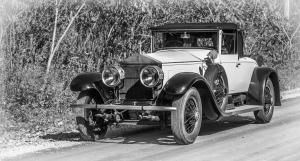
The journey toward compulsory motor insurance began with the Locomotive Act of 1865, which set out the first rules for mechanically propelled vehicles. By 1908, the world saw the first mass-produced car, the Model T Ford. As cars became more common, so too did accidents. In the late 1920s, thousands of people were killed each year on roads across the UK, prompting governments to act.
Key legislative milestones included:
- Road Traffic Act 1930 (UK): made third-party insurance compulsory for drivers.
- Road Traffic Act 1933 (Ireland): introduced legal liability for injury or death to third parties in public places.
These laws set the foundation for the comprehensive Irish legislation that followed.
The Road Traffic Act 1961
The Road Traffic Act 1961 remains the principal law governing motor insurance in Ireland. It made insurance mandatory for anyone driving a mechanically propelled vehicle in a public place. The aim was to ensure that accident victims would receive compensation if a driver was found to be negligent.
The minimum level of cover required is unlimited indemnity for death or injury to third parties, and up to €1.27 million for property damage. This Act has been amended several times, including updates in 2002 and 2004, to reflect European Union directives.
Exemptions under the Act
- Vehicles operated by state-sponsored bodies.
- Boards established by an Act of the Oireachtas.
- Companies primarily owned by a state-sponsored body or Oireachtas board.
Insurance Policy Requirements
- The policy must cover all designated territories.
- It must be issued to the named driver.
- It must provide unlimited liability for death or injury and up to €1.27 million for third-party property damage.
Liability Not Required by Law
- Front seat passengers in goods vehicles (since 1995).
- Front seat passengers in vehicles other than private cars.
- Sidecar or pillion passengers on motorbikes (since 1998).
- Damage to the insured vehicle or property under the driver’s control.
Key Road Traffic Acts in Ireland
Road Traffic Act 1968: Established the Medical Bureau of Road Safety to analyse samples from drivers suspected of being under the influence of alcohol.
Road Traffic Act 2002: Introduced the penalty points system in Ireland to improve driver behaviour and reduce accidents. Penalty points are now one of the factors insurance companies consider when calculating car insurance premiums.
Road Traffic Act 2010: Introduced new drink-driving offences, reduced alcohol limits, and made breath testing compulsory.
Road Traffic Act 2011: Requires Gardaí to carry out a breath test whenever someone is injured at the scene of a road traffic collision.
Car Insurance Proposal Form
Before an insurer can issue a policy, the driver must complete a car insurance proposal form. This form helps the insurer assess the level of risk and calculate an appropriate premium. Details usually include:
- Driver information: name, address, date of birth, and occupation.
- Driving history: years licensed, previous claims, and any convictions.
- Vehicle details: make, model, registration number, value, and fuel type.
- Intended use: whether the car is for personal, work, or commercial purposes.
- Preferred cover type: Third Party, Third Party Fire and Theft, or Fully Comprehensive.
- A declaration confirming that all information provided is true and accurate.
Types of Motor Insurance Policies
The minimum cover required by law is third-party liability. However, most Irish drivers opt for broader protection. The three main types of car insurance are:
- Third-Party Only: The minimum legal cover, providing unlimited liability for injury or death and up to €1.27 million for property damage.
- Third-Party Fire and Theft: Includes third-party liability, plus cover for fire, lightning, explosion, and theft of the vehicle.
- Fully Comprehensive: Offers all the benefits above, plus cover for accidental damage, personal accident benefits, and loss of personal items.
Understanding Your Motor Insurance Documents
Your policy documentation will contain important information about your cover, limits, and obligations. It typically includes:
- A policy booklet detailing the terms and conditions of cover.
- A glossary of insurance definitions and key terms.
- Details of excess limits, market value, and certificate of insurance.
- Conditions for making changes such as a new address, vehicle, or employment.
- A list of exclusions that specify what is not covered, such as using a car for towing without permission or driving while disqualified.
- Information on what happens in cases of loss or damage, including repair or replacement procedures.
- Limitations relating to driving other vehicles or using your vehicle for purposes not listed on the certificate.
How Car Insurance Premiums Are Calculated in Ireland
Irish insurance companies base annual premiums on a combination of risk factors. These include the driver’s age, driving experience, type of vehicle, annual mileage, previous claims, and the level of cover selected. Gender is no longer used as a rating factor since December 2012 following a European Court of Justice ruling. However, premiums may still vary depending on driving behaviour and vehicle type.
Common Questions About Motor Insurance in Ireland
When did car insurance become compulsory in Ireland?
Car insurance became compulsory under the Road Traffic Act 1933, which required drivers to be insured against injury or death to third parties.
Who regulates car insurance in Ireland?
Car insurance providers in Ireland are regulated by the Central Bank of Ireland to ensure consumer protection and compliance with EU insurance standards.
What is the minimum legal cover for car insurance?
The minimum cover under Irish law is unlimited indemnity for injury or death to third parties and at least €1.27 million for damage to property.
Conclusion
CompareInsuranceIreland.ie is 100% Irish owned, regulated by the Central Bank of Ireland, and a member of Brokers Ireland. We help drivers across the country find trusted, competitive motor insurance quotes that meet their needs. Explore your options today and make sure you’re properly protected on Irish roads.